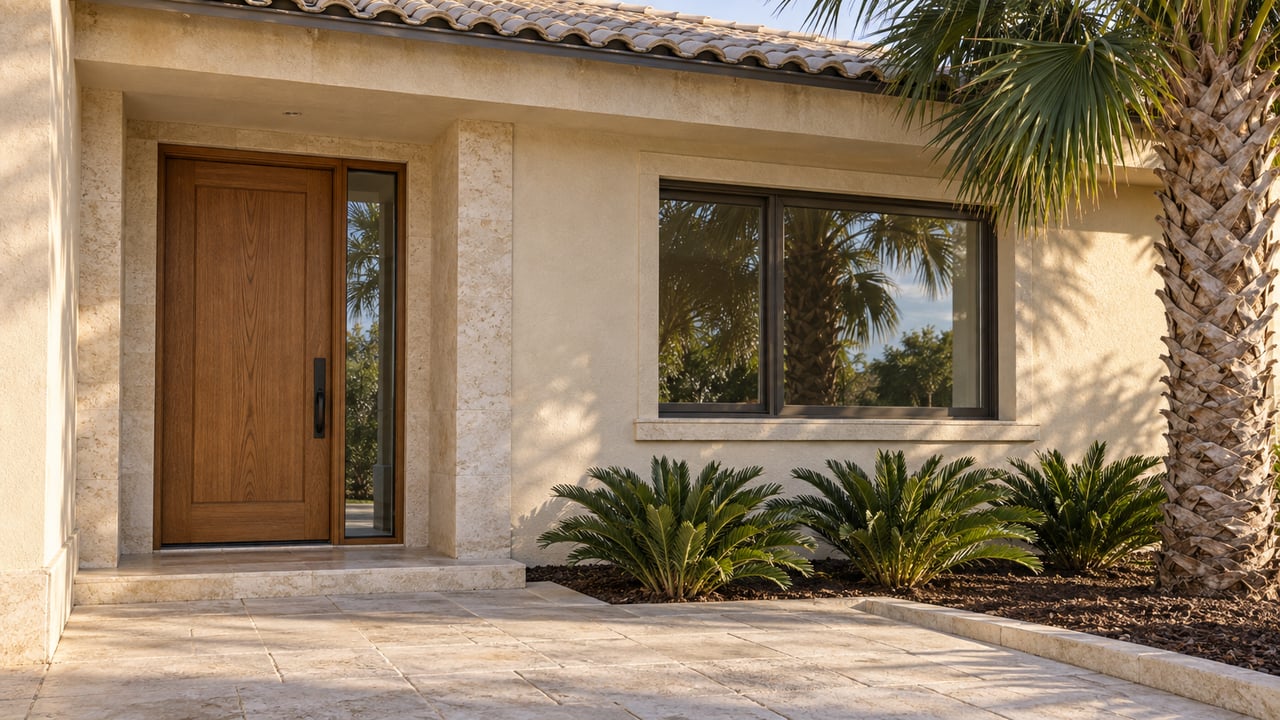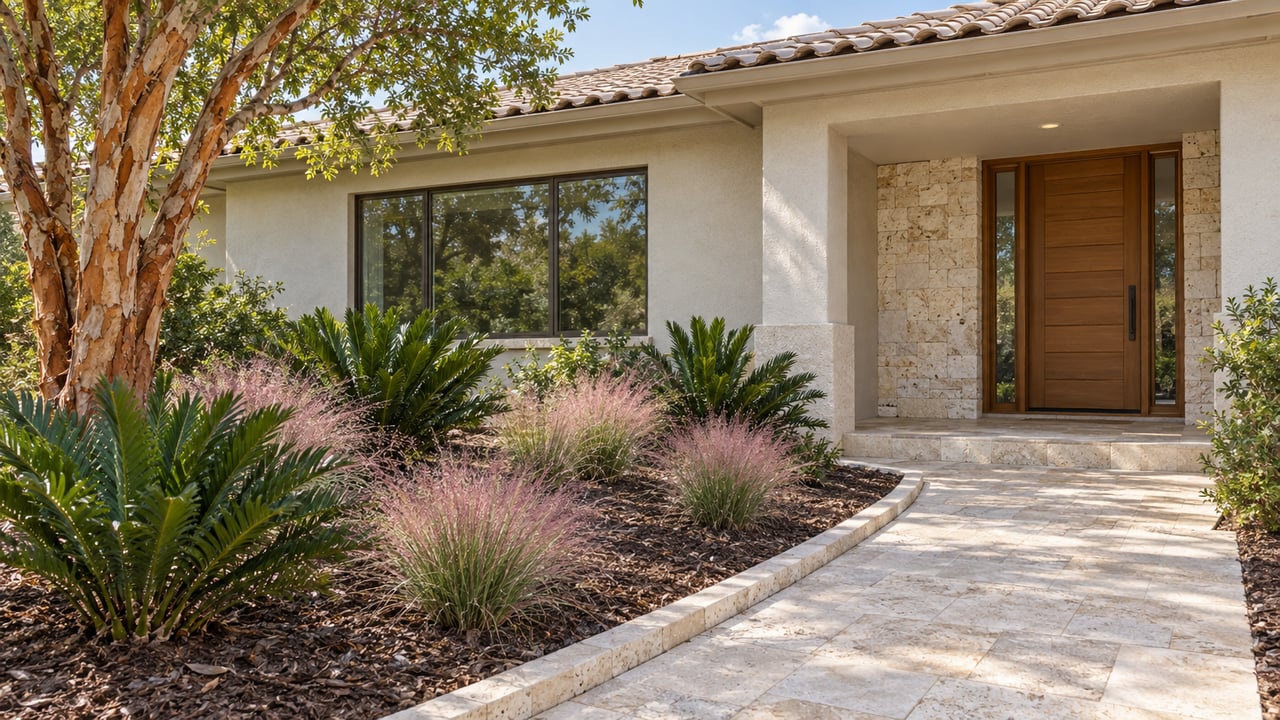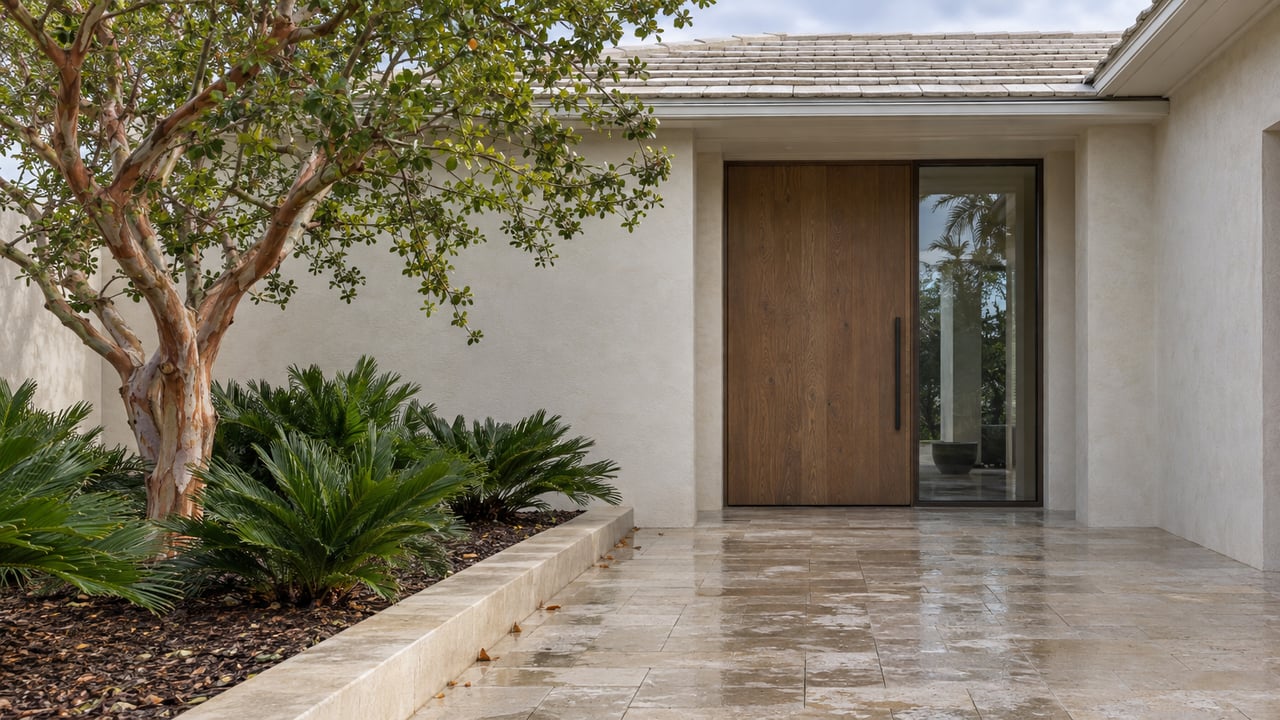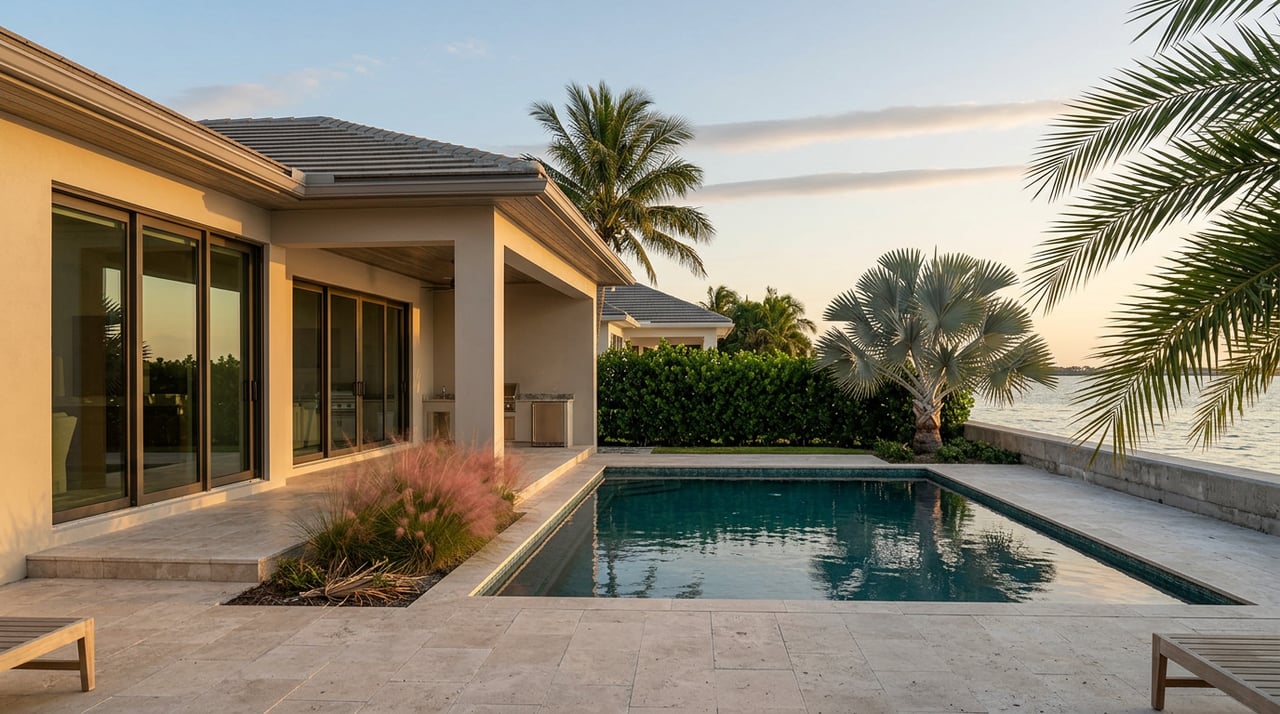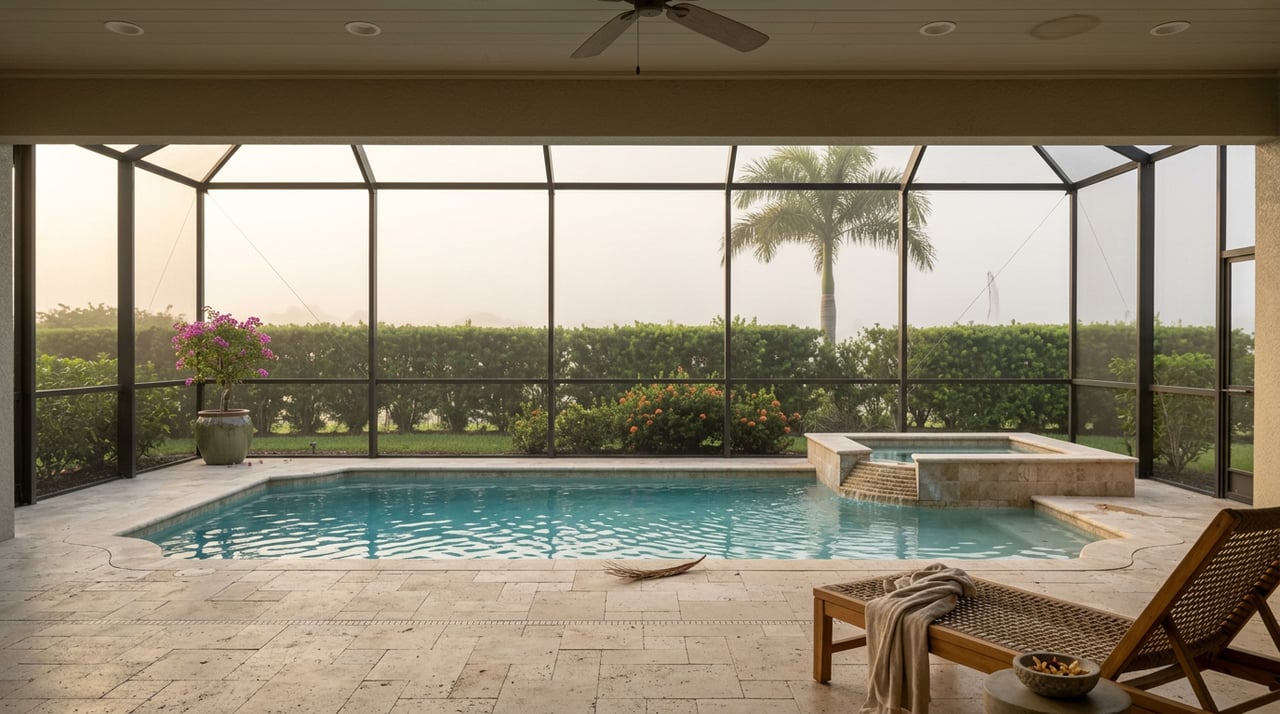
Two listings hit the market in Nokomis this spring carrying almost the same price tag. One sits west of US-41, close enough to smell the Gulf, in a flood zone that got hit twice by hurricanes in the last two years. The other sits east of I-75 along the Laurel Road corridor, on a lot the builder graded up before pouring the foundation. Same zip code. Same rough price. Completely different insurance bill, completely different exposure to a federal rule that Your Observer describes as capable of turning a routine repair into a full teardown.
That gap is the story the median price doesn't tell. As of April 2026, one local market breakdown put Nokomis's overall median list price at roughly $550,000, with an average of $264 per square foot. But split the ZIP code in half and the number stops meaning much: homes west of US-41 near Nokomis Beach were carrying a median above $589,000, while homes east of I-75 along Laurel Road sat closer to $417,000 to $420,000. That's a $170,000 spread between the submarket medians, obscured by a single reported median, and the spread isn't really about distance to sand. It's about which side of the flood map a house sits on.
Same Zip Code, Different Rules
Nokomis covers roughly 25 square miles under one ZIP code, but the market inside it breaks into close to a dozen distinct pockets, from Casey Key's barrier-island estates to inland corridors that didn't exist as neighborhoods a decade ago. The dividing line that matters most right now isn't the Village of Nokomis versus North Nokomis. It's flood zone status, and Casey Key sits at the sharp end of it.
Casey Key took direct hits from Hurricane Helene in September 2024 and Hurricane Milton weeks later. Kelley Anne Ayers, co-owner of a Casey Key real estate firm, described the aftermath to Your Observer in blunt terms: "some of the cottages that were darling are gone." One of the homes she had listed, at 608 N. Casey Key Road, had held the island's oldest house, built in 1918, until Milton "took off half the roof" and the structure came down for good. As of mid-February 2025, agents were counting roughly 28 active listings on a key that holds a little over 400 homes total, a share of inventory that's unusually high for a barrier island where turnover is normally slow and generational.
That's not a market cooling off. It's a market getting sorted by a rule most buyers never think about until they're already under contract.
The Clause That Turns a Repair Into a Rebuild
The National Flood Insurance Program's substantial improvement rule, generally referred to locally as the 50% rule, blocks owners from making repairs that exceed 50% of a structure's market value unless the whole building is brought up to current flood compliance standards. On a storm-damaged Gulf-front cottage, that threshold gets crossed fast. A roof, drywall, flooring, and electrical work after a direct hit can easily add up past the halfway mark, and once it does, the fix isn't a fix anymore. It's a full elevation and rebuild project, at rebuild pricing.
That's the mechanism turning some of Casey Key's older housing stock into vacant, buildable lots rather than renovated homes, even as replacement construction on the same street commands multimillion-dollar prices. It also explains why Casey Key carries costs beyond hurricane recovery and private insurance. Sarasota County has managed erosion along Casey Key Road through a special taxing district since 1988, and a more recent stabilization proposal for an $8.5 million revetment project floated an added assessment of $93 a month per million dollars of taxable property value under a five-year payback option, or $50 a month per million under a ten-year option. Buyers pricing a Casey Key purchase against a mainland Nokomis listing need to account for that layer of county-level cost, not just the homeowner's insurance quote.
Six Miles Inland, a Different Market Is Filling In
While the waterfront side of Nokomis is losing older stock to teardowns, the inland side is adding new stock at a pace that's actually pulling the blended median down. Talon Preserve on Palmer Ranch, a gated DiVosta community near the Laurel Road corridor, lists homes starting around $374,990, according to the builder's own community page, with floor plans running from villas into single-family homes above $700,000. The community sits roughly six to seven miles from Nokomis Beach, close enough to market as beach-adjacent, far enough to sidestep the coastal flood exposure that drives Casey Key's insurance math.
Much of the site was graded above base flood elevation during construction, which is part of why new-build listings there tend to close with materially lower flood premiums than comparable square footage minutes closer to the water. That single fact does more to explain the east-side price gap than square footage or lot size. A buyer isn't just paying less per square foot east of I-75. They're buying into a different underwriting category entirely.
Here's how the two sides actually compare, based on the most recent reporting available:
| West of US-41 / Casey Key | East of I-75 / Laurel Corridor | |
|---|---|---|
| Typical price range | $589,000+ median; Casey Key waterfront estates from $4M to $16M | $417,000 to $420,000 median; new construction from $374,990 |
| Flood insurance load | Full coastal flood zone exposure | Average flood premiums run roughly half of west-side properties, per local underwriting patterns |
| Typical buyer | Cash-heavy; close to four in ten Nokomis transactions overall close in cash, concentrated here and in deepwater canal homes | Financed; buyers under $700,000 have the most negotiating leverage |
| Dominant friction | The 50% substantial improvement rule can convert a repair into a full rebuild | New inventory keeps arriving, which lengthens days on market and favors patient offers |
How the Two Submarkets Shape Nokomis's Headline Figures
That table is why the headline numbers for Nokomis don't line up cleanly across sources. As of June 30, 2026, Zillow's average home value tracking for the 34275 ZIP put the figure at $497,162, down 5.8% year over year, sitting between the two submarket medians rather than matching either one. Separately, portal data from March 2026 put typical days on market near 110, while Zillow's more recent figures showed homes moving to pending in about 52 days as of late June 2026.
Those aren't contradictions so much as evidence of a market whose average is shifting because the mix of what's selling is shifting. Fast-moving inland new construction pulls the blended average down and shortens the reported time on market. Slower-moving, higher-priced coastal rebuilds pull it back up. A single "Nokomis median" can obscure the differences between a rebuild market and a new-construction market that don't behave the same way, priced by different rules, financed by different kinds of buyers.
Comparing Nokomis to Venice or Siesta Key? Ask Which Nokomis You Mean
If you're weighing Nokomis against Venice or Siesta Key on a spreadsheet of medians, the comparison only holds up if you first decide which Nokomis you're pricing against. A Casey Key estate is closer in cost structure, insurance complexity, and buyer pool to a Siesta Key waterfront property than it is to a new-build villa six miles inland. A Talon Preserve listing is closer in underwriting profile to inland Venice new construction than to anything on the water in its own ZIP code.
That's the actual use of the Nokomis median: not as a number to compare against other towns, but as a signal that you need to ask which side of the flood line a specific listing sits on before the median tells you anything useful.
A Few Direct Questions
Does the 50% rule apply to every home in Nokomis, or just Casey Key? It applies anywhere a property sits in a FEMA flood zone and sustains damage or renovation costs exceeding half the structure's market value. It's most relevant on Casey Key and other low-elevation, west-of-US-41 properties because those are the areas most exposed to storm damage and flood zone designation in the first place.
Is Nokomis actually cheaper than Venice or Siesta Key? It depends entirely on which Nokomis submarket you're comparing. The Laurel Road corridor and communities like Talon Preserve compete on price with inland Venice new construction. Casey Key competes on price with Siesta Key and Venice Island waterfront, sometimes exceeding both.
What should I check before making an offer on a flood-zone listing? Ask for the property's current flood zone designation, get a wind mitigation and four-point inspection scheduled before you're deep into a due diligence period, and have your insurance agent run actual quotes rather than estimates before you finalize your offer price. On Casey Key specifically, ask whether any prior renovations already count against the 50% threshold
If you're trying to figure out which side of Nokomis actually fits your budget and your risk tolerance, that's a conversation worth having before you fall for a listing photo. Anthony LaPorta has spent years working both sides of Southwest Florida's coastal and new-construction markets, from barrier-island rebuilds to Palmer Ranch new construction, and can walk you through what a specific address's flood zone, insurance load, and rebuild exposure actually look like. Let's Connect.
This article is general information, not legal, tax or financial advice. Consult a qualified professional about your situation.